
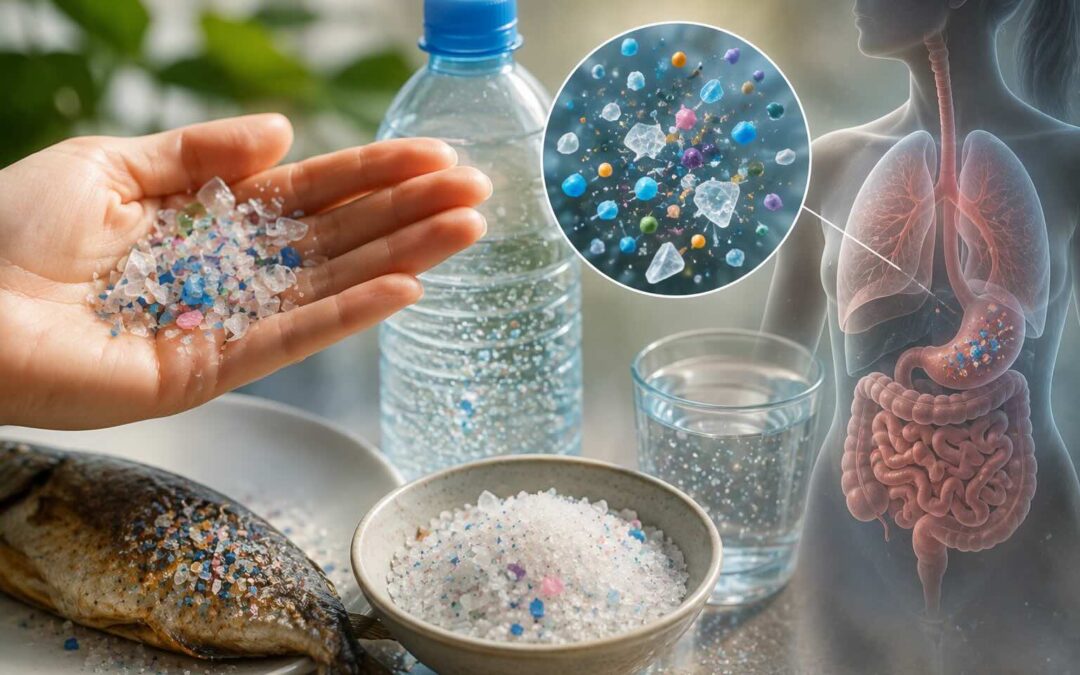
As an integrative physician, I am increasingly concerned about one of the most overlooked health threats in our modern world: microplastics. These tiny plastic particles—smaller than 5 millimeters—are not only polluting our environment, but are also entering our bodies in ways we are only beginning to understand. Research now shows that microplastics are found in our blood, lungs, brains, and even in arterial plaque.
What Are Microplastics?
Microplastics are small, synthetic, insoluble particles that come from the breakdown of larger plastics or are intentionally designed for use in products. Even smaller are nanoplastics—fragments less than 200 nanometers wide—that are now being detected in human organs, including the brain.
- Size range: Up to 5mm for microplastics, less than 200 nanometers for nanoplastics
- Sources: Plastic products, clothing fibers, water bottles, packaging, cosmetics, and even medical and household products
- Environmental persistence: They do not biodegrade, meaning once released, they accumulate in our bodies and the ecosystem
Where Do Microplastics Come From?
Unfortunately, microplastics are almost unavoidable in modern life. They are released into our air, water, and food supply from multiple sources:
- Synthetic Clothing: An average 6kg load of laundry containing synthetic fabrics can release over 700,000 microfibers into wastewater.
- Personal Care Products: Many face washes, soaps, exfoliators, and cosmetics use microplastic beads instead of natural ingredients.
- Plastic Packaging and Bottles: Heating food in plastic containers and drinking from disposable water bottles accelerates leaching of plastics and chemicals into food and beverages.
- Medical and Household Items: Surgical masks, disposable gloves, and rubber car tires contribute significantly to microplastic waste.
- Airborne Pollution: Microplastics are now detected in both outdoor and indoor air, meaning that every breath may bring in tiny plastic fibres.
Microplastics and Health Risks
Emerging studies are sounding alarms about the consequences of microplastic exposure:
- Neurological Risks: Microplastics have been detected in brain tissue, raising concerns about memory, cognition, and long-term neurological health.
- Cardiovascular Impact: Recent research has found microplastic accumulation in arterial plaques, linking them with vascular inflammation and cardiovascular disease.
- Hormonal Disruption: Many plastics contain chemicals such as phthalates and bisphenol A (BPA), which are known endocrine disruptors.
- Chronic Inflammation: Widespread exposure can trigger immune responses, leading to low-grade inflammation—a precursor to autoimmune and degenerative diseases.
The troubling part is that microplastic accumulation is progressive, meaning the longer we are exposed, the more these particles embed themselves within our tissues.
Simple Steps to Reduce Your Exposure
While eliminating microplastics entirely is unrealistic in today’s world, you can take meaningful steps to lower your personal exposure and protect your health:
- Avoid heating or storing food in plastic containers—opt for glass or stainless steel.
- Choose natural fibres like cotton, silk, or wool over synthetic fabrics when possible.
- Say no to single-use plastics and invest in reusable bottles and bags.
- Choose personal care products free of microbeads and synthetic exfoliants.
- Improve indoor air quality with HEPA filtration and natural ventilation.
As an integrative physician, I encourage you to take small but powerful steps today. Support policies that regulate plastic use, invest in cleaner alternatives, and make conscious choices to reduce your personal toxic burden. Your health—and the health of future generations—depends on it.