
Causes, Symptoms, and Emerging Concerns
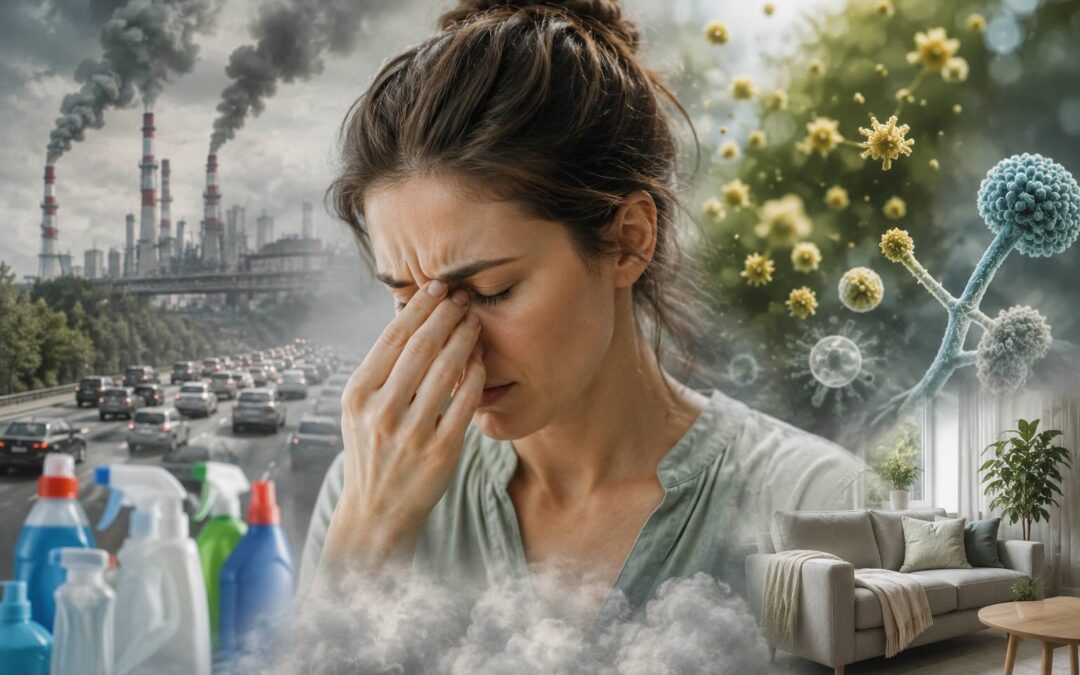
Environmentally Acquired Illness (EAI) is a growing medical concern that affects people worldwide, yet it often goes undiagnosed or misunderstood. EAI refers to a spectrum of health conditions triggered or worsened by exposure to environmental toxins, infectious agents, and pollutants. These exposures can come from everyday sources—like the air we breathe, the water we drink, the food we eat, and even the buildings we live in.
For some, EAI presents as mild fatigue, brain fog, or allergies. For others, it can lead to chronic debilitating illness that impacts neurological, immune, and respiratory health. Understanding the causes and contributors to EAI is the first step toward prevention and treatment.
Primary Causes of Environmentally Acquired Illness
EAI can be traced back to a wide range of environmental exposures. Some of the most well-documented include:
- Mold and Mycotoxin Exposure: Toxic molds such as Stachybotrys, Aspergillus, and Chaetomium produce biotoxins that may severely impair neurological function, weaken the immune system, and damage respiratory health.
- Persistent Infections: Tick-borne illnesses like Lyme disease, Babesia, Bartonella and Ehrlichia, along with viral infections such as Epstein-Barr virus (EBV), HHV-6, cytomegalovirus, and even SARS-CoV-2, can act as hidden drivers of long-term illness.
- Chemical Toxicants: Widespread agricultural and industrial chemicals—like pesticides, herbicides, flame retardants, solvents and plasticisers (phthalates and PBA)—can accumulate in the body and disrupt hormone balance, mitochondrial function, and detoxification systems.
- Heavy Metals: Mercury, lead, cadmium, aluminium and arsenic from pollution, contaminated food, and consumer products can cause neurological, cardiovascular, and immune dysfunction.
- Air Pollution: A mix of particulate matter, nitrogen dioxide, ozone, and volatile organic compounds (VOCs) is linked to inflammation, respiratory diseases, and cardiovascular risk.
- Water Contamination: PFAS (“forever chemicals”), chlorine byproducts, fluoride, and pharmaceutical residues in drinking water are increasingly recognised contributors to chronic illness.
Lesser-Known Contributors to EAI
In addition to the well-studied toxins and pathogens, research points to subtler—but equally concerning—environmental factors:
- Electromagnetic Fields (EMF): Some individuals experience sensitivity to Wi-Fi, cellular networks, and other wireless technologies.
- Microplastics: These ubiquitous particles have been detected in human blood, placentas, and organs, microplastics raise alarms about long-term impacts.
- Dental Materials: Mercury amalgam fillings, nickel, palladium and composite resins can leach substances that trigger immune or neurological symptoms in sensitive individuals.
- Cosmetic and Personal Care Ingredients: Everyday items like shampoos, lotions, and makeup often contain parabens, synthetic fragrances, and sulfates with hormone-disrupting potential.
- Food-Related Chemicals: Artificial colours, preservatives, pesticide residues, and processing agents may contribute to gut imbalance, inflammation, and hypersensitivity reactions.
- Building Materials: Off-gassing from treated wood, insulation, adhesives, and flame retardants can worsen indoor air quality and trigger chronic symptoms.
- Silica Dust: Often overlooked, this dust from construction and natural sources can irritate the lungs and provoke inflammatory cascades.
- Office Equipment Emissions: Printers and copiers release fine toner particles and VOCs, adding to cumulative exposure burdens.
- Pharmaceutical Residues: Both as medication side effects and from leeching into water supplies, drug residues can affect hormone signaling and overall health.
- Noise Pollution: Chronic noise exposure—especially in urban environments—can elevate stress responses and impact health.
Why EAI Is Difficult to Diagnose
What makes Environmentally Acquired Illness so challenging is its gradual and often nonspecific onset. Symptoms may resemble more familiar conditions like chronic fatigue syndrome, fibromyalgia, allergies, or autoimmune diseases. Moreover:
- Sensitivity thresholds differ widely between individuals.
- Genetics play an important role in determining who is vulnerable.
- The total toxic burden—the combined load of multiple exposures—also dictates whether symptoms emerge.
This variability explains why some people thrive in environments that make others sick.
What can you do?
EAI is not just a medical subject—it’s a public health issue. The growing presence of pollutants, synthetic chemicals, and environmental disruptors highlights the importance of prevention, and individualised treatment approaches.
For those struggling with unexplained, persistent symptoms, it may be worth considering whether environmental exposures play a role. Clinicians specialising in functional, integrative, and environmental medicine can help identify potential triggers and guide detoxification, remediation, and healing strategies.